Scratched Mono Textured Exclaim: A Designer’s Review
First Impressions: Gritty Character Meets Digital Precision
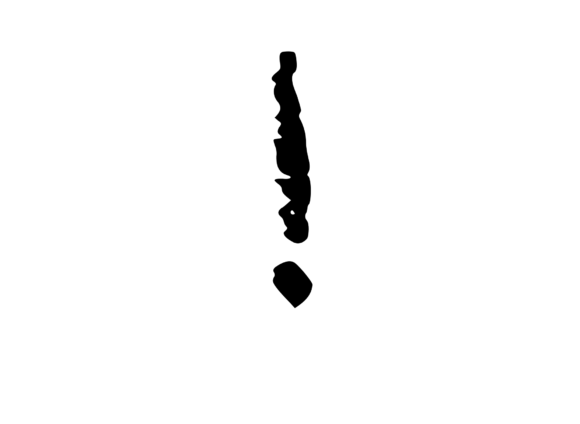
When I first opened the Scratched Mono Textured Exclaim file, I wasn't looking at a standard, polished monogram. Most machine embroidery designs aim for perfection—smooth satin stitches and flawless fills. This graphic, however, leans into imperfection as a stylistic choice. As a designer who frequently bridges the gap between digital assets and physical crafts, my immediate reaction was that this exclamation point carries a distinct, industrial mood. It feels hand-drawn yet digitized, offering a raw aesthetic that stands out in a market saturated with overly pristine vector art.
For those of us in the Crafts category, specifically working with Graphics for embroidery or mixed media, texture is everything. The "scratched" element suggests movement and history. It doesn't look like it came off an assembly line; it looks like it was sketched in a studio. This visual personality makes it an excellent candidate for projects that need to convey authenticity, rebellion, or vintage charm without looking distressed to the point of illegibility. It is bold, unapologetic, and demands attention, which aligns perfectly with the product description's promise to help creators stand out from the crowd.
Real-World Application: Stitching Out on Heavyweight Cotton
To truly evaluate this design, I had to move beyond the screen. My test case involved creating a custom embroidered tote bag for a small boutique client who wanted merchandise that felt "urban and handmade" rather than corporate. We chose a heavyweight, unbleached canvas tote as the base. The goal was to see if the Scratched Mono Textured Exclaim could translate its digital grit into physical thread.
I approached this as both an embroidery project and a branding exercise. Because the source is an SVG graphic, I had to consider how the textured lines would interpret into stitch types. On the canvas, the design performed beautifully when treated as a stylized fill stitch rather than a traditional satin stitch. The irregular edges of the scratched texture actually helped hide minor fabric grain inconsistencies, making the final finished product look intentionally rustic. For a tote bag design, this is crucial. Customers expect canvas goods to have character, and this exclamation point provided a focal point that felt premium despite its rough aesthetic.
If you are an Etsy seller or run a craft business, this specific application highlights a key advantage: the design adds perceived value. It transforms a blank bag into a statement piece. However, this success relied heavily on understanding the interplay between the graphic's complexity and the substrate. On this sturdy fabric, the texture read clearly. It served as a powerful accent mark, perhaps signaling a sale, a new collection, or simply adding typographic interest to a minimalist layout.
Navigating Fabric Choices and Stabilizer Requirements
While the Scratched Mono Textured Exclaim shined on canvas, my professional judgment urges caution when selecting fabrics. Not every material plays nicely with textured graphics. If you are planning sweatshirt embroidery or working with fleece, the pile of the fabric can swallow the fine details of the "scratched" effect. In these cases, the design risks looking muddy or incomplete after washing.
Here are practical considerations for different applications:
- Stretchy Fabrics: For custom apparel like t-shirts or baby onesies, the open nature of textured graphics can be tricky. You must use a high-quality cut-away stabilizer to prevent the fabric from pulling between the scattered stitch points. Without proper support, the exclamation point may distort, losing its intentional shape.
- Dark vs. Light Backgrounds: Always test thread colors against your fabric. High contrast is non-negotiable here. A black scratch texture on navy blue fabric will disappear. Conversely, white thread on cream canvas might look too subtle. The texture relies on shadow and light definition; ensure your thread choice supports that visibility.
- Small Hoop Sizes: Be wary of scaling down. If you reduce this design for a cap or a pocket logo, verify that the thinnest parts of the scratch marks remain wider than a single running stitch. If they become too thin, your machine may skip stitches or the thread may break. Always confirm the minimum safe size before committing to a production run.
For baby embroidery or items requiring frequent washing, I would recommend testing wash durability first. Textured fills can sometimes snag if the stitch density is too loose. Ensure your digitizing settings lock the edges sufficiently so the "scratched" look remains a style choice, not a structural failure.
Commercial Viability for Makers and Digital Sellers
Beyond physical stitching, the Scratched Mono Textured Exclaim holds significant weight as a digital asset. For creative entrepreneurs selling design assets or printable mockups, this graphic offers versatility. It works exceptionally well in branding kits for other makers, providing that sought-after "handmade" vibe in a scalable vector format.
However, a critical note for anyone using this for commercial embroidery or selling finished goods: always verify your licensing. While the description encourages you to proudly reproduce this letter, confirm whether your purchase includes commercial rights for mass production or if it is limited to small-batch handmade sales. Protecting your business means respecting intellectual property boundaries. Additionally, if you are selling the digital embroidery file itself (after digitizing), ensure you aren't violating terms regarding redistribution of derivative works.
From a marketing perspective, this design aids in buyer engagement. When listing a personalized gift or holiday embroidery item featuring this graphic, use close-up photos that show the texture. Customers need to see that the roughness is intentional. Pair it with clean, modern photography to create a juxtaposition that highlights the design's unique character. This builds trust; buyers understand they are purchasing a specialized aesthetic, not a flawed product.
Essential Pre-Production Checklist for Embroiderers
Before you hoop up your good fabric or list a new product, run through this practical checklist to ensure the Scratched Mono Textured Exclaim meets your quality standards:
- Test Stitch on Scrap: Never assume screen rendering equals stitch reality. Test on a scrap of the exact fabric you intend to use.
- Evaluate Stitch Density: Check if the texture is too dense for lightweight fabrics or too sparse for heavy ones. Adjust underlay if necessary to provide a stable foundation.
- Mockup in Black and White: Strip away color to see if the contrast and shape hold up. If it looks messy in grayscale, it will likely look messy in thread.
- Verify Hoop Compatibility: Ensure the design fits your machine’s maximum field without excessive re-hooping, which can cause alignment issues with detailed graphics.
- Check Licensing: Re-read the terms specifically regarding small shop product sales versus digital resale.
Ultimately, the Scratched Mono Textured Exclaim is more than just a punctuation mark; it is a textural tool. Whether you are creating an embroidered patch, designing nursery decor, or building a cohesive brand identity for your Etsy shop, this graphic brings a necessary edge. It reminds us that in the world of automated manufacturing and perfect vectors, there is still immense value in the imperfect, the tactile, and the boldly human. Use it wisely, test it thoroughly, and let it add that distinctive signature to your next creation.